Razor bumps are not really about the razor. They are about what the hair does after it is cut: a sharp-tipped hair, especially a curly one, curls back as it grows, re-enters the skin, and sets off inflammation. The red bumps along the neck and jaw that follow are the skin reacting to its own hair, which is why creams alone rarely fix them and technique usually does.
This troubleshooting guide from HashTags Barber Shop in Troutman starts from the bumps themselves and works back through the causes. Some skin genuinely cannot tolerate a very close shave, and part of prevention is accepting the closest shave your skin allows rather than the closest one a blade can give.
Why the neck suffers most
Neck hair grows in swirls and changing directions, lies flatter against the skin, and gets shaved against its growth by anyone following a simple downward routine. Add a multi-blade cartridge, which can cut hair slightly below the skin line as blades tug and release, and the stage is set: short, sharp tips below the surface, curling as they emerge. Men with curly or coarse facial hair are the most prone, and the bumps concentrate exactly where the hair curls tightest.
The prevention routine, step by step
- Map your growth first. Let the beard grow two days, then run a hand over it in good light and note which way the hair grows in each zone, especially the neck swirls. Every later step depends on this map.
- Shave with the grain, not against it. First pass follows the growth direction everywhere, even where it changes. A slightly less close shave that heals is better than a closer one that bumps.
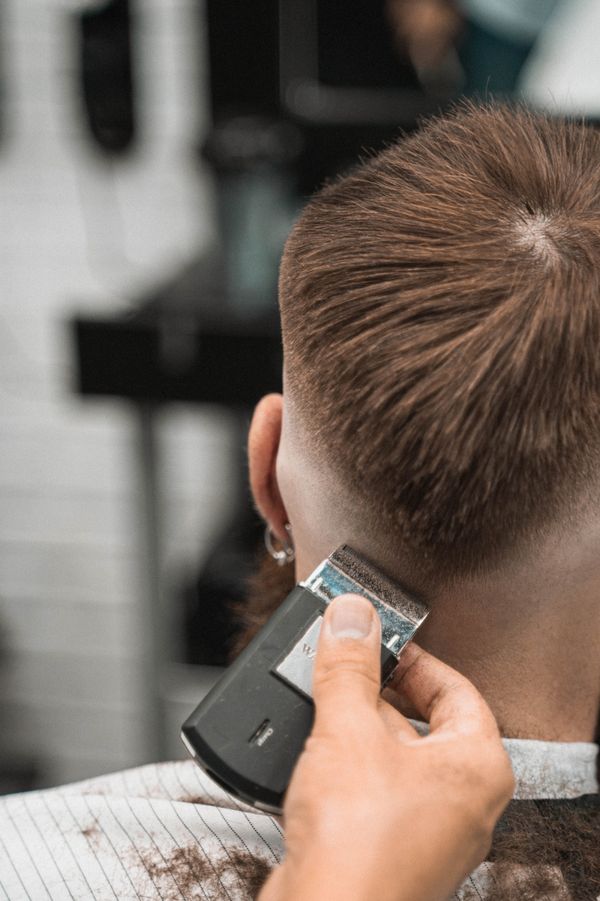
- Use a single blade where you can. A single-blade razor or a guarded trimmer cuts at the surface instead of below it, which leaves the tip where it cannot curl back in as easily.
- Soften before, soothe after. Shave after a shower or a warm towel, use a proper shave gel, rinse cool, and apply a plain moisturizer. Picking or squeezing existing bumps makes them worse and can scar.
- Exfoliate gently between shaves. A mild exfoliating wash a few times a week keeps dead skin from trapping emerging hairs. Gentle is the key word; scrubbing inflamed skin raw restarts the problem.
- Leave a little length if bumps persist. Keeping stubble at trimmer length instead of shaving to skin is the most reliable fix of all for bump-prone skin, and it is the option barbers recommend most often.
What to change in the chair
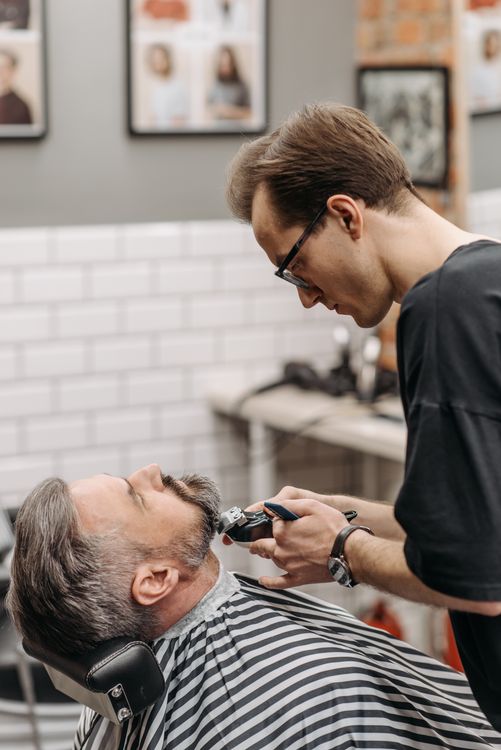
Tell the barber you are bump-prone before any razor work. A good barber will skip the against-the-grain finishing pass, use a hot towel to soften the hair properly, keep pressure light, and may finish the neckline with clippers or an electric shaver instead of a straight razor. That slightly softer line is not lesser work. It is the correct work for your skin, and a beard trim with clean clipper edges looks sharp for just as long.
When bumps are not just bumps
Ordinary razor bumps settle within days once the routine changes. See a doctor or dermatologist instead if bumps become painful boils, spread, leave dark marks that keep deepening, or do not improve after several weeks of with-the-grain, single-blade shaving. Barber advice covers technique; persistent inflammation is medical territory, and earlier treatment prevents the scarring that home remedies promise to fix and usually cannot.
Expect the fix to take a few weeks, not a few shaves. Skin that has been bump-prone for months has a backlog of trapped hairs working their way out, and those will flare on their own schedule even after your technique is perfect. Judge the routine by the trend across three or four weeks: fewer new bumps each week means it is working, even if the old ones are still clearing. Changing one variable at a time, direction first, then blade, then closeness, is what tells you which change actually did the work, and keeps you from abandoning a routine that was one adjustment away from solving it.
Common questions
Why do I only get razor bumps on my neck?
Neck hair grows in swirls and lies flatter, so it is easiest to cut below the skin and hardest to shave with the grain. It is the most common bump zone for nearly everyone.
Are multi-blade razors worse for razor bumps?
For bump-prone skin, often yes. Multiple blades can cut hair slightly below the skin line, and those sharp tips are the ones that curl back in. A single blade cuts at the surface.
What if nothing stops the bumps?
Stop shaving to skin. Keeping short stubble with a trimmer is the most dependable solution, and if bumps still persist or worsen, a dermatologist should look at them.
Photos in this guide are representative stock images.
← All guides from HashTags Barber Shop← Back to HashTags Barber Shop