The men who look best with a receding hairline are not the ones with the most hair left. They are the ones whose cut looks deliberate. Deliberate is checkable: the sides are doing the right work, the top is the right length for its density, the product is not working against you, and the trim schedule is tight enough that nothing looks accidental.
This checklist from HashTags Barber Shop in Troutman walks through those points in order. Run down it in front of a mirror in good light, and be honest about each line. Most receding hairlines need only one or two adjustments from this list to look markedly better at the next cut.
Start with what you see
Look at your hair dry, unstyled, in daylight if you can. Styled hair hides the real density, and bathroom light flatters everyone. You are checking three things: how much thinner the top is than the sides, whether the front is being grown long to compensate, and whether the edges and neckline look clean or overdue. Those three observations decide which checklist items matter most for you.
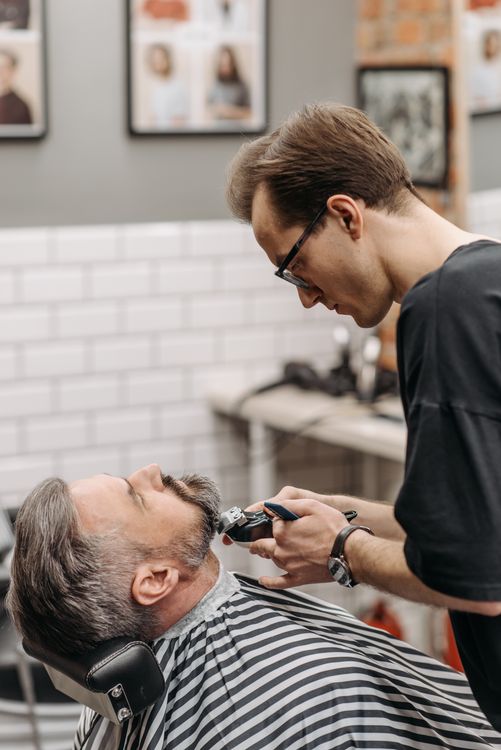
The receding hairline checklist
- Sides shorter than the top, clearly. Pass: the sides carry less visual weight, so the top reads fuller by comparison. Fail: sides and top at similar bulk, which makes thin areas stand out.
- Top length honest for its density. Pass: the top is short enough to lie in one direction without effort. Fail: long front hair being pushed forward or sideways to cover ground.
- Texture instead of slickness. Pass: the finish is matte and broken up. Fail: a wet, separated look that shows scalp in stripes under bright light.
- Product amount under control. Pass: a pea to fingertip amount, worked into dry hair. Fail: visible shine, clumping, or hair plastered in sections.
- Edges and neckline clean. Pass: the outline looks freshly deliberate. Fail: fuzzy edges and neck hair softening the whole cut.
- Trim schedule tight enough. Pass: a standing appointment every 3 to 4 weeks. Fail: waiting until it bothers you, which is usually 2 weeks too late.
- Sun protection handled. Pass: a hat outdoors or sunscreen on exposed scalp. Fail: a sunburned scalp in Troutman summer sun, which is painful and shows in every photo.
The style choices behind the checklist
A textured crop, a crew cut, a short classic cut with faded or tapered sides, and the full buzz all pass this checklist by design, which is why barbers steer toward them. They share the same logic: reduce contrast. Where the gap between thick and thin areas is small, the eye reads a tidy haircut instead of a hairline. Growing the top long does the opposite, because length exaggerates the density gap and adds daily styling work that most men quietly stop doing.
The buzz deserves a fair hearing. At the stage where the top is dramatically thinner than the sides, clipping everything to one short guard removes the contrast entirely, takes almost no maintenance, and often looks younger than the arrangement it replaced. Start longer, a number 3 or 4 guard, and step down over a couple of cuts if you want to go shorter.
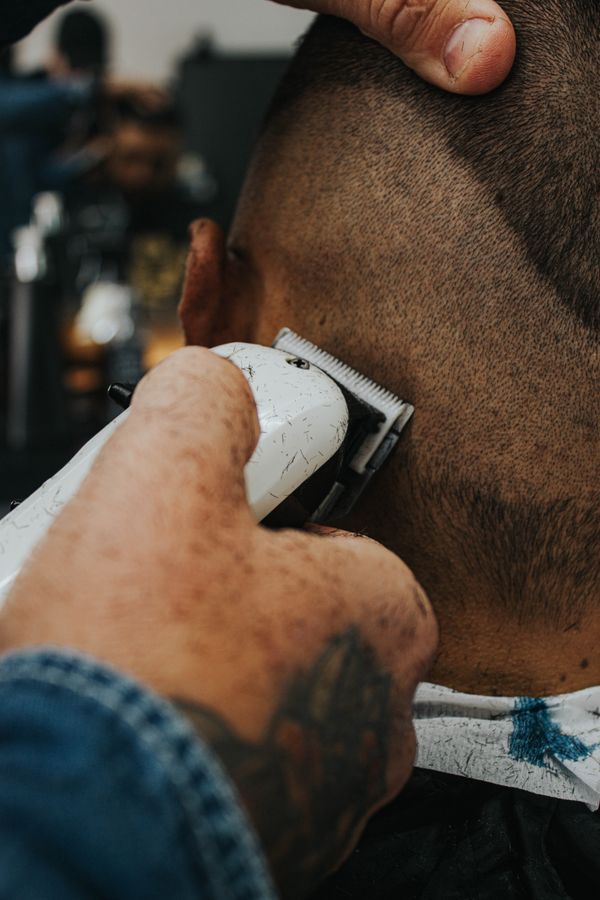
The beard can carry some of the load
As hair on top does less of the framing work, a well-kept beard does more of it. A shaped beard with clean cheek and neck lines gives the face definition that a thinning top no longer provides, and it gives the eye somewhere intentional to land. The catch is that it only works if it is maintained. An unshaped beard plus a defensive hairstyle reads as neglect twice. Book the beard detail with the haircut and both stay on the same tight schedule the checklist calls for.
When the checklist says it is time
If you fail the top-length line and the density line together, and styling takes longer every month for a worse result, the checklist is telling you the current style has run its course. That is not bad news. It is the point where a shorter cut, chosen on purpose in the chair, replaces a longer one maintained out of habit. Men almost always wish they had made that switch a year earlier.
Common questions
What haircut suits a receding hairline best?
Short textured styles with shorter sides: a crop, a crew cut, or a classic cut with a fade or taper. Once thinning is advanced, a buzz often looks best of all.
Does growing the front longer help cover recession?
Rarely. Extra length exaggerates the contrast between thick and thin areas and needs daily arranging. Shorter, textured hair almost always looks fuller.
How often should I get trimmed with a receding hairline?
Every three to four weeks. Thin hair shows growth unevenly, and clean edges are a large part of what makes the cut look deliberate.
Photos in this guide are representative stock images.
← All guides from HashTags Barber Shop← Back to HashTags Barber Shop