Walking into a new barber shop carries a small, specific anxiety: you do not know how this barber works, they do not know your hair, and the whole result depends on a two-minute conversation at the start. Men tend to either over-explain or say almost nothing, and both approaches rest on myths about what a consultation is.
At HashTags Barber Shop in Troutman, first visits are everyday work. This piece sorts the common beliefs about that first appointment into myth and fact, and explains what a barber is actually looking at while you talk, so the conversation goes where it is useful.
The beliefs, sorted
| Belief | Verdict | The plain version |
|---|---|---|
| A good barber just knows what will suit me | Myth | A good barber reads your hair and head shape expertly, but your job, habits, and styling effort are facts only you can supply. The consultation combines both. |
| I need the right technical terms | Myth | Plain description plus a photo beats misused terms. Saying a guard number you are unsure of can produce exactly the wrong cut, confidently. |
| Showing a photo is a weakness | Myth | Barbers prefer photos. A picture ends most ambiguity about length and shape in seconds, especially on a first visit. |
| The consultation is only the first minute | It depends | Questions continue during the cut as the barber sees how your hair behaves. Speaking up mid-cut about length is normal and welcome if done early, not at the last snip. |
| Regulars get better cuts because of favoritism | Myth | Regulars get consistent cuts because the barber has notes and history: what was done, how it grew out, what to adjust. A first visit starts that record. |
| If the first cut is not perfect, the barber is wrong for me | It depends | A first cut is partly information gathering. If the barber listens and adjusts well on visit two, that is a stronger sign than a lucky perfect first cut. |
What the barber is looking at
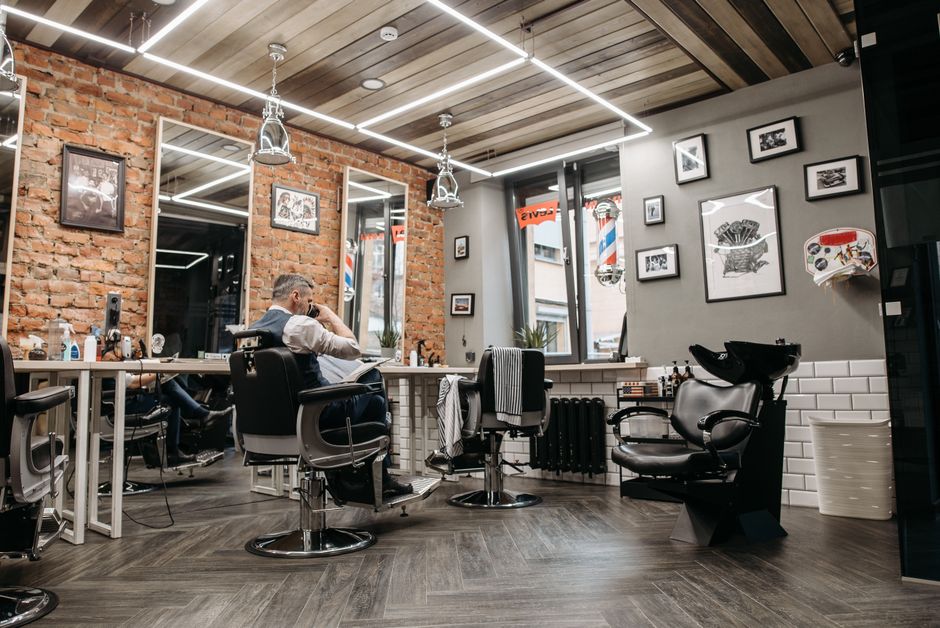
While you describe what you want, the barber is reading your hair: its thickness and texture, the direction it grows, cowlicks at the crown and front, the shape of your head, and how the previous cut has grown out, which reveals your real interval even if you never state it. They are also looking at your hairline and scalp, because those decide what the style can honestly do. None of this needs your help, but it goes faster when you add the missing half: how you wear it daily, what you use on it, and what has annoyed you about past cuts.
What to say, in about a minute
Cover four things. What you want, ideally with a photo. How long since your last cut, which calibrates length better than any description. How much effort you will actually put in each morning, stated honestly. And anything specific: a cowlick that misbehaves, a sensitive spot, a dress code at work. That is a complete brief. If the barber repeats it back or asks a follow-up about length on top versus the sides, the consultation is working exactly as it should.
How regulars get remembered
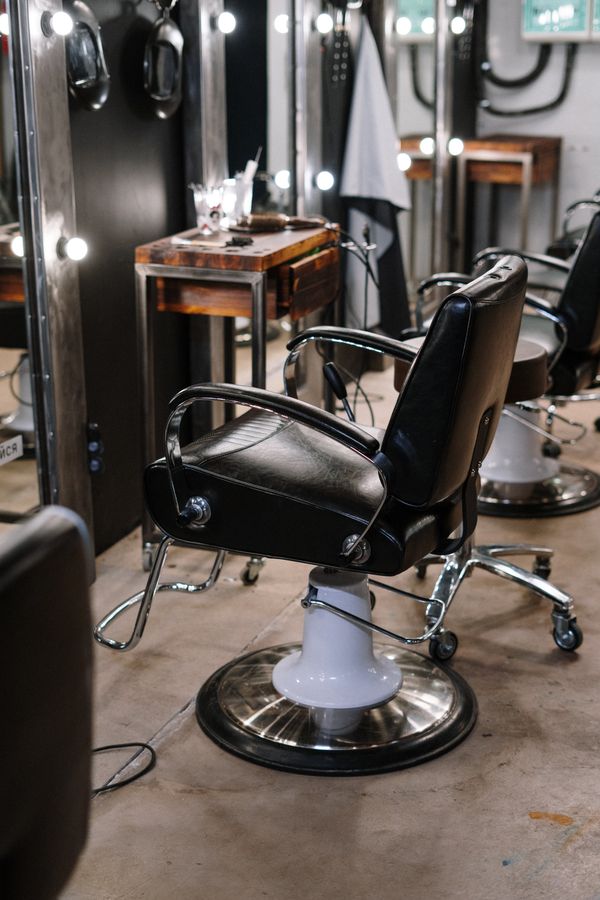
It is not memory tricks. Shops keep notes: guard lengths, where the fade sat, how the beard was shaped, what was said about the grow-out. Each visit adds a line, and by the third visit the barber knows your cut better than you could describe it. You can help that record start well by saying, at the end of the first cut, what you like and what you might change. That sentence, remembered, is the difference between a decent second cut and the right one.
A fair way to judge the visit
Judge the first visit on three things: whether the barber asked questions before cutting, whether the result matches what was agreed even if you later refine it, and whether the grow-out two weeks later looks even. If those three hold, you have found your shop. Book the second appointment before you leave, while the details are fresh on both sides of the chair.
Common questions
What should I tell a new barber at my first visit?
What you want with a photo if you have one, how long since your last cut, how much daily styling you will honestly do, and any cowlicks or sensitivities they should know about.
Do I need to know clipper guard numbers?
No. Plain descriptions and photos are safer than terms you are unsure of. The barber will translate what you want into guards and note them for next time.
How do I judge whether to return after a first cut?
By whether the barber listened, the cut matches what was agreed, and it grows out evenly. A barber who adjusts well on visit two is worth keeping.
Photos in this guide are representative stock images.
← All guides from HashTags Barber Shop← Back to HashTags Barber Shop